
What ROI Can Restaurants Expect from AI Call Answering?
AI call answering utilizes AI to automatically handle incoming calls, improving customer engagement and potentially recovering lost revenue.


What you'll learn
What ROI Can Restaurants Expect from AI Call Answering?
In the restaurant business, every call counts. Whether it’s a reservation, a takeout order, a catering inquiry or a simple question about your hours or location, missing that call could mean losing out on revenue.
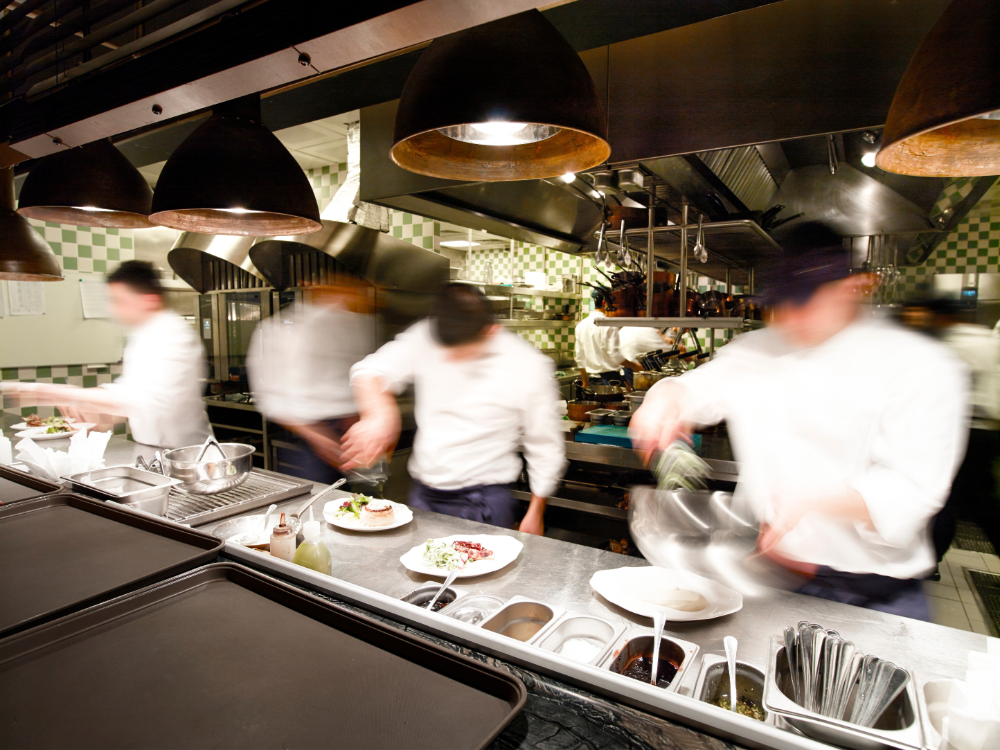
During peak operating hours and with staff shortages, it’s easy for phones to go unanswered. Your focus is on great food and superb customer service, leaving less time for seemingly pesky administrative tasks.
Not sure how many calls you're missing?
The free 7-day AI Listen-In Audit transcribes and categorizes every inbound call across your locations. No AI answers anything yet.
Enter AI call answering. This advanced technology not only reduces stress for your team, especially front-of-house employees, but it also actively drives revenue growth.
AI call answering utilizes artificial intelligence (AI) to automatically handle incoming calls without the need for a human operator. It simulates a live person, using natural-sounding voice responses to engage in natural conversations with callers, answer questions, take reservations and more. These conversations enhance customer engagement and improve call handling efficiency.
Missed Phone Calls = Missed Covers, Orders and Revenue
Just how much money slips through the cracks when calls go unanswered? During peak meal times, your staff is often focused on service, not answering the phone. Approximately 60% of calls to restaurants go unanswered, especially during lunch and dinner rushes. For a high-volume restaurant, that’s anywhere from 20 to 50 missed calls per day.
If your average order or cover value is $35 and you miss 30 calls a day, that equals $1,050 per day in potential lost revenue. That’s more than $30,000 each month you could put back into your restaurant operations.
Plus, roughly 70% of Americans say they’re likely to give up on a restaurant if no one answers the phone. That means those missed calls don’t just hurt today’s bottom line; they also impact long-term customer retention.

How AI Call Answering Delivers ROI for Restaurants
AI-powered call answering tools are designed specifically for restaurants to help recover lost revenue, reduce overhead and improve customer satisfaction. That translates to tangible returns through:
1. Recovered Revenue from Captured Calls
AI solutions don’t take breaks, get flustered or put customers on hold. They answer 100% of calls instantly 24/7, resulting in more diners booking reservations, an increasing number of large party or catering inquiries being captured and extra takeout and delivery orders being completed.
Real-World Example:
One multi-unit fast-casual brand implemented Revmo AI and recovered over 2,300 previously missed calls in a single month. Based on average order values, that led to $28,000 in newly captured revenue at nearly zero incremental labor cost.
2. Reduced Front-of-House Labor Costs
Staffing phones, especially during rushes, is costly and impractical. Hosts often juggle seating guests, handling walk-ins and answering phones at once, creating chaos and reducing service quality. AI call answering lets your team focus on hospitality because the technology handles repetitive phone tasks, such as answering FAQs, confirming hours, taking reservations and routing urgent issues to staff.
Real-World Example:
Case Study
See what production deployments measured
Real operators, real numbers, from live deployments across healthcare, restaurants, automotive, and home services.
View case studiesOne restaurant group cut $3,500/month in FOH payroll after shifting 80% of inbound calls to Revmo AI. The AI solution handled common calls, while only high-priority issues were forwarded to on-site managers.
3. Faster Service Means Happier Guests
Customers expect quick service, even before they arrive at your restaurant. Long hold times, voicemail or missed calls turn customers off or send them to your competitors. AI offers immediate, polite and professional responses every time. It can provide answers in multiple languages, capture reservation details and even guide customers to your website or online ordering link.
Real-World Example:
Restaurants using Revmo AI have reported a 25% increase in 5-star reviews and improved guest sentiment, especially when AI helps prevent bottlenecks at the host stand or during high-volume hours.
4. Actionable Call Insights for Smarter Operations
Artificial intelligence call platforms like Revmo AI answer calls along with generating insights. These analytics help you make smarter staffing, marketing and operations decisions, further improving ROI. AI call answering platforms offer real-time data on:
When most calls are missed
Which locations need staffing adjustments
Most common guest questions
Trends in order types or reservation patterns
What ROI Can I Expect from AI Call Answering?
Restaurant operators typically recapture $7–$12 per missed call and save 30 minutes of staff time daily. Enter your nightly call volume in our interactive calculator to see your 12-month ROI.
Here’s a basic example of how AI call answering helps your restaurant avoid missed revenue:
Your restaurant misses 30 calls per day
AI recovers 80% of those (24 calls/day)
Your average order or cover is $35
That’s $840/day or $25,200/month in recovered revenue
Even if your call volume is lower or your average order is more modest, most restaurants see five to 15 times ROI within the first few months.
Why Restaurants Choose Revmo AI
Revmo AI isn’t just a generic call-bot – it’s designed for restaurants. You can customize it with restaurant-specific voice flows, smart menu integrations, reservation handling and more.
Unlike other AI call answering tools, Revmo AI offers:
Natural voice AI that sounds human and engaging
Instant call answering 24/7, including after-hours and holidays
Reservation integration with tools like Toast
Custom scripting per location (great for multi-unit brands)
Multilingual support
Scalability across one or 100+ locations
AI call answering isn’t a technology fad. It’s a valuable tool for growing revenue, improving service and reducing costs, which is especially crucial in an industry where margins are tight and customer experience is paramount. Talk to an AI Expert of Revmo AI today, and check out our exclusive partner program.
Sources & References

Written by David Stoll
Sales Engineer
David Stoll is a Sales Engineer with Revmo AI. With over 6 years of experience in Conversational AI, David is an expert in crafting conversations for brands that engage their users and push revenue forward.
Ready to hear it handle a live call?
Book a 20-minute demo and watch Revmo answer, verify the caller, and complete a real request for your type of business.
Book your demoGet AI insights every week
Join 3,000+ operators getting our weekly breakdown of AI voice technology.
No spam. Unsubscribe anytime.
Explore Related Solutions
Discover how Revmo AI solves real business challenges across industries.
AI for Restaurants
See how Revmo handles phone orders, reservations, and catering inquiries 24/7.
Voice AI Ordering
Automated phone ordering that captures every item, upsells intelligently, and never puts callers on hold.
Missed-Call Revenue Calculator
Put a number on what missed calls cost your locations — and what AI order capture recovers.
Keep reading
Related Articles
 Restaurant AI
10 Things AI Does That Your Host Staff Can’t: How 24/7 Automation, Omnichannel Consistency and Data-Driven Insights Are Transforming Restaurants
The restaurant industry is back in action. After more than half of dining establishments in the United States saw profits decrease just a few years ago, the industry is expected to reach $1.5 trillion in sales and add more than 200,000 net new jobs in 2025. AI has evolved from a trendy buzzword to a mission-critical solution, helping mitigate issues like labor shortages and rising customer expectations.
 Restaurant AI
5 Reasons Customers Leave After a Bad Call
When calls go poorly, whether due to long hold times, dropped calls, robotic menus, wrong orders or rude transfers, the result is lost revenue, bad reviews and a guest who probably won’t come back.
 Restaurant AI
AI for Restaurants: Affordable After-Hours Answering and Customer Support
In the restaurant business, service doesn’t stop when your staff clocks out and your doors close. After-hours phone calls are an ongoing source of missed revenue and frustrated customers. AI for restaurants offers an affordable solution that’s available 24/7, allowing reliable customer support at any time.