What PCI Compliance Means for Voice AI in 2026
PCI DSS is mandatory in 2026. Here’s what it means for voice AI, what Revmo handles, and what to ask any vendor before you sign.
Blog
Read More
Restaurant operators are navigating labor shortages, rising customer expectations and skyrocketing costs. To succeed, they must do more than automate — they must anticipate.
Predictive AI, especially when integrated with platforms like Revmo AI and Toast, provides a strategic edge by reducing wait times, optimizing operations and delivering personalized experiences that keep customers coming back. Revmo AI stands at the forefront of this shift, empowering restaurants of all types and sizes to move from reactive problem-solving to future-ready decision-making.
The restaurant industry remains a highly competitive one, a trend that the National Restaurant Association predicts will only intensify. Along with increased food and labor costs and the struggle to recruit and retain qualified employees, operators must continue providing five-star customer service or risk fewer patrons and declining revenue.
Labor issues continue to impede growth across the restaurant industry. Roughly 9 in 10 restaurants have fewer than 50 employees, and 45% of operators say they need more staff just to meet current demand. Add to that the staggering 79.6% turnover rate, and you have a constant drain on hiring, onboarding and operational continuity.
Replacing just one team member costs operators an average of $5,864 — not including salary. These staffing gaps affect more than just scheduling; they diminish guest experience and increase staff burnout.
Technology is no longer an optional enhancement — it’s a competitive necessity. A majority of consumers now expect digital ordering, payments and communication. In fact:
Customer experience now holds more weight than price for many customers. A smooth, personalized visit encourages loyalty and spending, while frustration — especially around wait times or inefficient communication — drives guests away. Studies show:
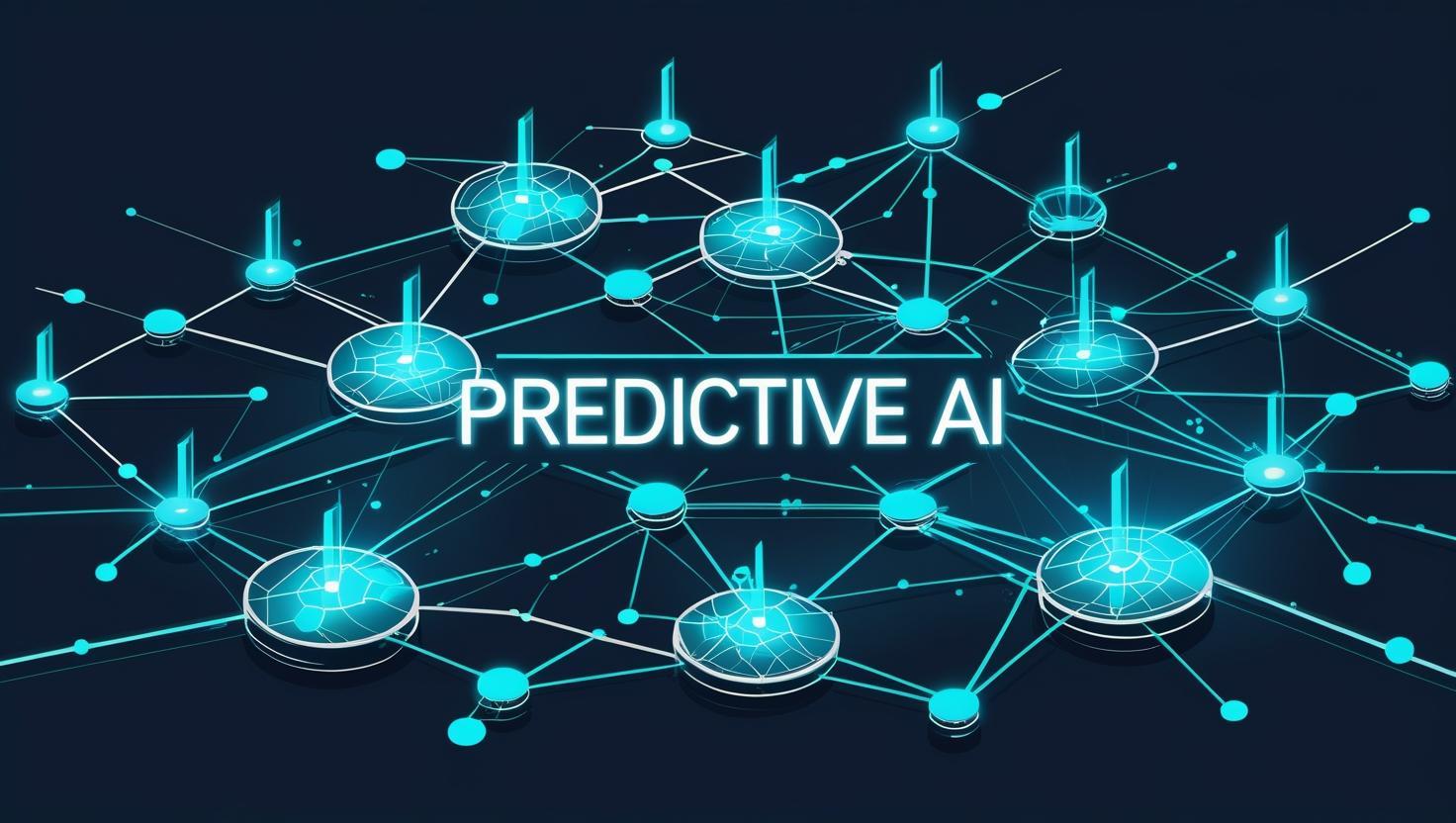
In the restaurant industry, technology has long been used to automate tasks: taking orders, processing payments, managing schedules and more. But artificial intelligence (AI), especially predictive AI, elevates technology from utility to strategy. It enables restaurant operators not just to keep up with competitors, but also to stay ahead of them.
Restaurants generate vast volumes of data, from POS transactions to guest behavior and staffing patterns. Traditional systems collect this data but do little with it. Predictive AI turns this passive data into active intelligence, helping operators forecast demand, preempt service bottlenecks and identify revenue opportunities before they’re missed.
Strategic Impact: Instead of reacting to peak rushes, AI helps you schedule and staff preemptively. Rather than guessing on menu changes or promos, AI reveals patterns in guest behavior that inform profitable decisions.
High turnover isn’t just expensive, it also limits scalability. AI allows restaurants to optimize staffing based on traffic trends and labor costs, balancing workloads, preventing overstaffing and understaffing and improving job satisfaction by aligning shifts with team strengths.
Strategic Impact: Better scheduling means lower turnover, stronger teams and consistent service — even across multiple locations.
For multi-location restaurant operators, decisions need to be centralized and flexible. Predictive AI enables data-driven consistency at scale, giving these professionals visibility into what’s working, what’s not and where to intervene.
Strategic Impact: Operators can compare performance across locations, spot trends early and adjust faster than competitors.
Today’s diners want their preferences remembered, their wait time respected and their loyalty rewarded. Predictive AI makes it possible to deliver this kind of personalized experience across an entire enterprise.
Strategic Impact: Guests feel known, valued and understood, thereby driving frequency, higher spend and stronger brand loyalty.
As more brands invest in tech, simply having automation is no longer a big differentiator. However, predictive intelligence that adapts in real time, improves decision-making and drives performance across metrics sets market leaders apart.
Strategic Impact: It’s not about being modern; it’s about being smarter, faster and more aligned with customer expectations than your competitors.
When Revmo AI integrates with Toast’s point-of-sale (POS) ecosystem, it creates a unified, intelligent network of guest data, operations and workforce tools. The result is a sharper and more agile restaurant operation built to scale.
Integrating Revmo AI with Toast’s POS offers restaurants numerous perks, including:
Revmo AI seamlessly integrates with Toast to create frictionless, fast, and personalized guest interactions across channels. AI-powered phone answering ensures no guest is left on hold, and predictive insights help staff proactively manage high-volume periods before guest experience suffers. In addition to smart waitlist and SMS updates that keep guests informed and reduce walkouts, customer data from Toast feeds into Revmo AI, enabling personalized responses based on visit history, preferences and consumer behavior.
The Result: Happier guests, faster service and higher likelihood of return visits — all without increasing labor costs.
Many restaurants are stuck in manual, reactive operations that don’t scale. The Revmo AI/Toast integration automates key processes while enhancing real-time decision-making. For example, Revmo AI handles calls and waitlists automatically, reducing pressure on front-of-house staff, while Toast provides real-time POS and guest insights used to forecast demand and adjust operations. These solutions’ operational dashboards combine insights from both platforms for easy, centralized control.
The Result: Staff spend less time on logistics and more time delivering great service. Managers make faster, better-informed decisions.
When staff are overworked, underscheduled or stuck doing low-value tasks, turnover increases. The Revmo AI and Toast integration improves the employee experience through smarter staffing and task offloading. Predictive scheduling tools use historical Toast sales data and Revmo AI demand forecasts to balance shifts, call and waitlist automation reduces repetitive front-of-house duties, and data-backed labor planning ensures the right team size for every shift, avoiding burnout and underutilization.
The Result: Happier, better-supported employees—and substantially reduced turnover across locations.
Through predictive insights and automation, the integration of Revmo AI and Toast directly impacts top-line growth. Restaurants experience fewer missed calls and walkouts, faster table turns and better upsell timing and personalized offers.
The Result: More seated guests, more covers per shift, higher average check sizes and stronger customer lifetime value (CLV).

Wait time is one of the top drivers of guest dissatisfaction but one of the easiest to fix with AI. Revmo AI predicts traffic surges, and then communicates accurate wait times through text or voice. Toast captures seating and table-turn data, allowing dynamic queue adjustments in real time. This no-hold phone automation means guests never get stuck waiting on the line.
The Result: Walk-ins are managed more effectively, patrons wait less and frontline staff are freed from juggling phones and guests.
Multi-location operators need solutions that scale with consistency. Revmo AI and Toast provide a restaurant-ready platform with location-specific AI training that tailors automation to each unit’s patterns, and centralized analytics that enable operators to monitor trends, compare performance and share best practices. Modular rollouts mean new locations can plug in with minimal friction, while cloud-based access and real-time sync ensure every site operates with up-to-date insights.
The Result: From three locations to 300, the system scales as your enterprise grows, without increasing operational complexity.
| Outcome | How Revmo AI and Toast Achieve It |
| Customer Satisfaction | AI-driven responsiveness, personalized engagement, no wait calls |
| Workflow Optimization | Task automation, predictive staffing, real-time dashboards |
| Employee Retention | Smart scheduling, task offloading, better team morale |
| Higher Revenue | More completed orders, upsells, return visits |
| Shorter Wait Times | Smart queue management, accurate ETA communication |
| Scalability | Enterprise control, modular implementation, centralized data |
Enterprise operators using Revmo AI see rapid, measurable results:
These restaurant groups, ranging from 20 to 100+ locations, utilized Revmo AI with Toast to address operational bottlenecks, enhance guest experience, and drive business growth:
Challenge:
High volume of inbound calls (for wait times, orders and reservations) was overwhelming front-of-house staff. Guests were abandoning calls, leading to walkouts and missed revenue. Labor scheduling was inconsistent, especially during peak hours.
Solution:
Results (in 90 days):
Challenge:
Wait times were unpredictable, and hosts were manually managing the wait list, leading to long delays and inaccurate estimates. Guest satisfaction scores were declining, and Yelp reviews frequently cited poor communication.
Solution:
Results (in 60 days):
Challenge:
Each location had inconsistent staffing patterns and poor visibility into guest traffic trends, resulting in overstaffing during low-volume periods and service breakdowns during peak events.
Solution:
Results (in 6 months):
To remain competitive, restaurants must evolve from reactive to predictive. Combining the advanced capabilities of Revmo AI and Toast allows you to not just meet today’s challenges but also anticipate tomorrow’s — and capitalize on them.
Are you ready to take your restaurant operations to the next level with AI? Download “5 Steps to Evaluating AI for Your Multi-Location Enterprise” today. And, schedule a demo to see Revmo AI in action.

CEO and Co-Founder
Ryan is a seasoned executive and entrepreneur with more than 18 years of technology consulting, industry and start-up experience.
PCI DSS is mandatory in 2026. Here’s what it means for voice AI, what Revmo handles, and what to ask any vendor before you sign.