
What PCI Compliance Means for Voice AI in 2026
PCI DSS is mandatory in 2026. Here’s what it means for voice AI, what Revmo handles, and what to ask any vendor before you sign.
Blog
Read More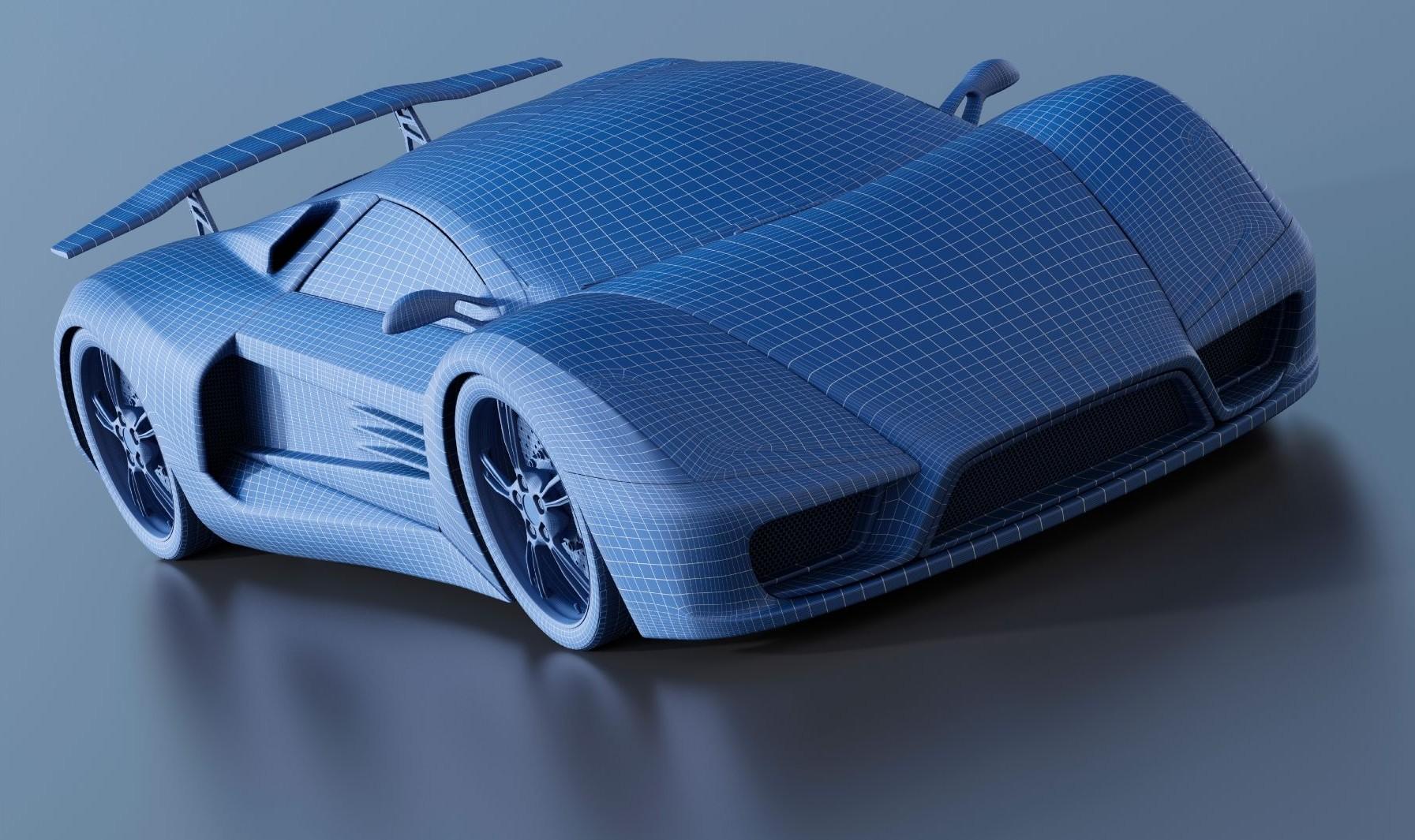
A century ago, automotive design was guided by artistry and mechanical intuition. Designers shaped clay, engineers tuned engines and innovation moved at the pace of physical experimentation.
Today’s vehicles, however, live in an entirely different ecosystem defined by data, computation and connected intelligence. The modern car is more than just a means of transportation. It’s a mobile data center generating torrents of information every second.
This information revolution has given rise to data-driven automotive design, a new paradigm that replaces instinctive craftsmanship with empirical insight. Every curve, component and system can now be simulated, analyzed and optimized long before production. The convergence of sensors, connectivity and high-performance computing enables engineers to interpret millions of data points and predict how designs will perform in the real world.
At the center of this transformation lies artificial intelligence (AI) for automotive, the intelligence that converts data into understanding. AI empowers automakers to create more efficient aerodynamics, safer driving systems and more intuitive human–machine interfaces. AI-driven automation and analytics are substantially improving overall efficiency and manufacturing efficiency in automotive production.
The emergence of smarter factories, enabled by AI and advanced manufacturing processes, is optimizing automotive production and supporting the development of innovative vehicles. It shortens feedback loops, uncovers hidden correlations and allows teams to iterate with unprecedented speed. In this data-first world, AI is the creative and analytical backbone of automotive design.
AI’s impact on the automotive world is profound, as AI in automotive is driving transformation across design, manufacturing and vehicle features, streamlining operations and accelerating innovation throughout the industry.
The automotive industry stands at the forefront of a technological revolution, driven by the rapid integration of artificial intelligence (AI) technologies. As vehicles become more sophisticated, the industry is embracing a new era where software and data are as critical as hardware. This shift is giving rise to software-defined vehicles — cars that rely on advanced software to control everything from performance to infotainment and safety features.
AI is at the center of this transformation, enabling automakers to design vehicles that are not only safer and more efficient but also tailored to individual driver preferences. Enhanced vehicle performance, smarter driver assistance and a more personalized customer experience are now possible thanks to AI’s ability to process and learn from vast amounts of data. As the automotive sector continues to evolve, the adoption of AI is accelerating, setting a strong foundation for future innovation and growth across the industry.
The dominance of data in automotive design is the result of three converging forces that have redefined the industry’s DNA. First, software complexity has skyrocketed. Modern vehicles rely on 100 to 150 million lines of code, and regulators predict that figure could reach 300 million by 2030. Each line governs intricate systems, from braking and navigation to voice recognition, ensuring their reliability demands continuous data monitoring and validation.
Second, the amount of data vehicles generate has exploded. McKinsey estimates that connected cars can produce one to two terabytes of raw data per car per day, encompassing sensor feeds, diagnostic logs and environmental conditions. Sometime this year, connected fleets could collectively create 10 exabytes of data each month, creating an enormous opportunity for predictive modeling and continuous improvement. AI systems are now used to analyze vast amounts of sensor and operational data in real time, enabling manufacturers to enhance vehicle safety, efficiency and personalization.
Finally, the economics have shifted decisively toward digital. The global automotive software and electronics market is expected to nearly double from $238 billion in 2020 to $469 billion by 2030, growing at an annual rate of about seven percent. This means vehicle design now depends as much on data architecture and algorithmic performance as on traditional mechanical engineering. Understanding market trends and optimizing production processes with real-time data is becoming essential for competitive advantage. Companies that master data as a design material will define the next generation of mobility.
The modern design cycle is iterative, adaptive and deeply data-driven. At its core lies a loop that continuously refines products through feedback from simulations, testing and real-world use.
It begins with instrumentation, the foundation of data-driven design. Every component, from a braking sensor to an infotainment processor, generates data that can reveal performance anomalies or user behaviors. Engineers collect this information across the lifecycle, from concept development to post-sale operation, and store it in structured data lakes for analysis. Sensor data, combined through sensor fusion techniques, provides comprehensive insights that are critical for effective design and validation of vehicle systems.
Next comes simulation, powered by digital twins. These are virtual replicas of vehicles, factories or components that let engineers model physical behavior under a vast array of conditions. Digital twins are also used to simulate and optimize production lines and vehicle systems, enabling efficient testing and validation before real-world deployment. According to a study published in Sensors, implementing digital twins in production improved efficiency by six percent and reduced downtime by 87.6%. The insight gained through these simulations enables more accurate prototypes and faster design iterations.
After simulation, the validation phase ensures that AI-generated or data-informed designs meet safety and quality standards. Engineers use model-in-the-loop and hardware-in-the-loop testing to replicate real-world conditions in a controlled environment, resulting in a blend of physical and digital assurance that reduces development risk. Advanced AI models play a crucial role in ensuring the reliability and safety of new vehicle systems by analyzing sensor data and supporting predictive diagnostics.
The deployment phase then brings updates to life through over-the-air (OTA) systems. OTA updates allow manufacturers to fix software issues, enhance features and roll out improvements without physical recalls.
Finally, learning completes the loop. Data from vehicles in operation flows back to the manufacturer, revealing how customers interact with systems, which components degrade fastest and what design decisions yield the best real-world results. This feedback accelerates and closes the loop to enable constant improvement.
The influence of AI for automotive is quietly transforming the basis of how vehicles are conceived, tested and refined. From early concept modeling to post-production performance optimization, AI acts as a digital co-designer, analyzing millions of data points to uncover efficiencies, predict failures and enhance user experience.
Deep learning and other AI technologies are powering advanced artificial intelligence applications and AI systems in automotive design, enabling new levels of automation and intelligence. These AI systems and AI applications are allowing vehicles to achieve higher levels of automation and safety through features like advanced driver assistance and predictive maintenance. Collaboration across the industry and unified architectures are essential to accelerate innovation in the automotive sector.
Surrogate models trained on CFD/CAE runs can predict drag or aeroacoustics in milliseconds, guiding designers toward low-Cd surfaces before full CFD and then validating with high-fidelity solvers. The payoff is fewer expensive loops between design and analysis.
As driver-assist penetrates mainstream models, design becomes a data problem. AI-powered systems can alert drivers to potential hazards and provide real-time feedback, improving road safety and reliability. Sensor placement, occlusion risk, thermal envelopes and compute budgets must be optimized together. The integration of voice assistants in ADAS further enhances driver interaction and safety by enabling natural, conversational control over vehicle functions. Forecasts suggest approximately 90% of new cars by 2030 will carry L1–L4 automation features, so design teams need robust data pipelines and simulation coverage now.
Original equipment manufacturers (OEMs) increasingly mirror vehicles, cells/packs and factories to test “what-ifs” in silico. Industry analyses highlight how twins accelerate development and reduce downtime during production ramp-up.
Connectivity surveys show buyers value features they can digitally unlock or update post-purchase. Design roadmaps now include event-logging of HMI flows and synthetic UX tests that predict confusion or delight before SOP, with the business model tied to software features for which customers will actually.
With software sprawling across dozens of electronic control units (ECUs) and domain controllers, data-driven safety cases blend field evidence, simulation coverage and rigorous compliance (i.e., cybersecurity and software-update requirements under emerging UN regulations). Adhering to international safety standards, such as ISO 26262, is crucial for ensuring that AI-driven automotive systems meet the requirements for safety and reliability. In addition to compliance and cybersecurity, it is essential to protect sensitive data in safety-critical automotive applications to prevent unauthorized access and ensure privacy.
AI tools and technology are reshaping every stage of the automotive lifecycle, from initial design to after-sales support. Generative AI (Gen AI) is revolutionizing vehicle design by enabling rapid prototyping and customization, allowing manufacturers to accelerate development cycles and bring innovative models to market faster. AI-powered tools, such as predictive analytics and advanced machine learning algorithms, are used to analyze vehicle data in real time, helping automakers optimize inventory levels and streamline supply chain management.
These AI tools not only improve operational efficiency but also enhance the overall driving experience. For example, virtual assistants powered by AI are now integrated into vehicles, providing drivers with real-time information, navigation support and hands-free control of various functions. By leveraging generative AI and other AI-powered solutions, the automotive industry is able to create smarter, more responsive vehicles that meet the evolving needs of customers while maintaining a competitive edge in a rapidly changing market.
AI adoption in the auto industry is accelerating as manufacturers recognize the transformative potential of artificial intelligence across their operations. Advanced driver assistance systems (ADAS), such as lane departure warnings and automatic emergency braking, are becoming standard features, leveraging AI to enhance vehicle safety and reduce accidents.
Beyond safety, AI-owered virtual assistants and chatbots are improving customer satisfaction by delivering personalized support, answering queries and streamlining service appointments. On the production side, AI is optimizing manufacturing processes, improving quality control and reducing operational costs by identifying defects and inefficiencies in real time.
As automakers continue to invest in AI research and development, the integration of AI-powered solutions is expected to become even more widespread, driving innovation, improving driver assistance systems and elevating the overall customer experience throughout the auto industry.
The automotive sector is experiencing a wave of innovation fueled by the adoption of AI technologies. One of the biggest trends is the rising demand for connected cars, which rely on AI-powered systems to enable seamless integration with smartphones, smart homes and other digital services.
Predictive maintenance is also gaining traction, with AI-powered algorithms analyzing vehicle data to anticipate potential issues before they lead to costly breakdowns, thereby reducing downtime and improving reliability. The push towards autonomous vehicles is another major trend, with AI at the core of enabling vehicles to navigate complex environments safely and efficiently. As the automotive industry continues to evolve, these trends are shaping the future of mobility, with AI technologies playing a central role in delivering smarter and more connected and autonomous vehicles that meet the increasing demands of consumers and businesses alike.
While the potential of data-driven automotive design is undeniable, realizing it requires a strategic and disciplined approach. Automakers must align people, processes and platforms to extract real value from the vast information flowing through modern vehicles.
By establishing clear data priorities, embedding analytics into the design cycle and leveraging scalable AI infrastructure, companies can transform raw telemetry into meaningful insight. The following strategies outline how leading automotive teams are making data central to design, not an afterthought:
Warranty, roadside assistance notes and plant testers are gold mines. Even before high-bandwidth fleet telemetry, simple text mining and clustering can surface top design opportunities.
Treat telemetry as a design requirement. Decide which signals are essential per feature (i.e., for lane-keeping: camera health, steering torque, lateral acceleration, yaw rate, lane confidence). Balance privacy, regulation and bandwidth; not every sample needs the cloud.
Pair fast ML surrogates for exploration with high-fidelity solvers for sign-off. Maintain traceability from fast approximations back to physics so auditors and your own engineers trust the results.
Over-the-air (OTA) is a design tool. A/B test calibrations, gradually stage new features and harvest performance deltas under real conditions. Industry analysis shows the cost avoidance is real, and OTA is increasingly essential to manage recalls and continuous improvement.
Data isn’t free. Beyond storage and compute, even distributing an update has a non-trivial cost, so ship incremental, well-targeted payloads and prune logs aggressively.
As fleets swell, so does data gravity. Adopt robust MLOps for dataset versioning, labeling, drift detection and safety gating. Align with regulatory expectations on software update security and cyber-resilience from day one.
The implications of data-driven design extend far beyond engineering. McKinsey forecasts that connected mobility and data-based services could expand the automotive revenue pool by up to $1.5 trillion by 2030. OTA-driven maintenance and continuous improvement cycles are set to dramatically reduce warranty and recall expenses.
The stakes are not just financial. Consumers increasingly judge automakers by their digital performance: how often updates arrive, how intuitive interfaces feel and how seamlessly their vehicles evolve post-purchase. Vertical integration strategies, where automakers control the entire software development process from chip to application, are helping differentiate offerings and streamline vehicle architecture to support advanced features and enhance customer experience. A slow, disconnected feedback loop can erode brand trust faster than any mechanical defect.
A high-performing AI for automotive organization operates with unity and purpose across departments. Instead of disconnected silos, teams collaborate through a shared data backbone that harmonizes simulation, test and real-world data. They maintain well-documented model catalogs that define when and how each AI model should be used to ensure transparency and reliability. With the increasing demand for advanced AI capabilities, these organizations are preparing for the future of AI in the automotive sector, focusing on scalable solutions that can support evolving workloads and sensor integration.
Safety and observability are embedded in the process from day one. OTA updates become strategic experiments, where new calibrations and features are deployed to limited user groups, measured and refined before wider release. The evolving role of automotive artificial intelligence is central to shaping next-generation vehicle features and safety systems, driving innovation in both digital and physical aspects of modern vehicles.
Cross-functional meetings happen frequently — often weekly — to review unified dashboards displaying performance, reliability and customer satisfaction metrics. These teams design learning systems, not just vehicles, that improve with every mile driven.
Revmo is an agentic AI platform designed to streamline customer engagement for automotive service providers, repair shops and franchise operations. Through voice and text automation, Revmo AI acts as a virtual agent that answers calls 24/7, handles FAQs, books appointments and integrates with existing systems to ensure consistent, branded communication.
Our platform also helps shops avoid missed opportunities and lost revenue by capturing customer intent even outside business hours. For example, after deploying Revmo AI, Stonebriar Auto Services (a franchisee operating Jiffy Lube locations) improved call handling by 70%, enhanced store visibility and expanded its marketing opportunities.
Check out more of our case studies to find out how our AI capabilities are benefiting other automotive enterprises.

Sales Engineer
David Stoll is a Sales Engineer with Revmo AI. With over 6 years of experience in Conversational AI, David is an expert in crafting conversations for brands that engage their users and push revenue forward.
PCI DSS is mandatory in 2026. Here’s what it means for voice AI, what Revmo handles, and what to ask any vendor before you sign.